Deprecated: Creation of dynamic property SERPZILLA_context::$_page_obligatory_output is deprecated in /home/businessmen/public_html/wp-content/uploads/.serpzilla/serpzilla.php on line 1654
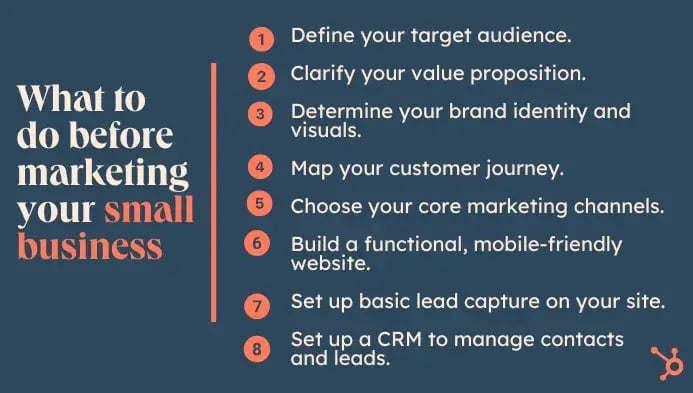
Launching a Small Business is an exhilarating endeavor, but the journey from concept to sustainable growth is often fraught with challenges. Success requires meticulous planning, strategic execution, and continuous adaptation to changing market dynamics. Expert guidance can make the difference between a venture that stagnates and one that thrives.
1. Craft a Robust Business Plan
Every successful Small Business begins with a well-structured business plan. This document serves as a roadmap, outlining objectives, strategies, target markets, and financial projections. A comprehensive plan allows entrepreneurs to anticipate challenges, allocate resources efficiently, and communicate vision to investors or stakeholders.
Key components include a detailed market analysis, competitive landscape evaluation, operational framework, and revenue models. Experts emphasize revisiting and updating the plan regularly to accommodate evolving circumstances, ensuring the Small Business remains agile and focused on long-term goals.
2. Understand Your Target Market
Market comprehension is pivotal for launching a successful Small Business. Identifying customer demographics, preferences, and pain points enables precise product or service positioning.
Conducting surveys, focus groups, and competitor analysis provides valuable insights into consumer behavior. Segmenting your audience allows for targeted marketing strategies that maximize engagement and conversion. Businesses that understand their market can differentiate themselves effectively, creating loyalty and driving sustainable revenue.
3. Establish a Strong Brand Identity
A distinct and consistent brand identity is crucial for standing out in competitive markets. For a Small Business, branding goes beyond a logo; it encompasses values, messaging, and customer experience.
Developing a cohesive brand voice and visual identity fosters recognition and trust. Experts recommend maintaining consistency across all touchpoints, from social media and websites to packaging and customer interactions. A strong brand positions a Small Business as credible, professional, and memorable in the eyes of consumers.
4. Secure Adequate Funding
Access to sufficient capital is a critical factor in the success of a Small Business. Underestimating funding requirements can hinder operations, delay growth, or compromise product quality.
Entrepreneurs should explore diverse funding sources such as personal savings, angel investors, venture capital, small business loans, and crowdfunding platforms. Detailed financial planning, including cash flow forecasts and break-even analysis, ensures that resources are allocated efficiently. Strategic funding enables businesses to scale operations and pursue growth opportunities without jeopardizing stability.
5. Implement Efficient Operational Systems
Operational efficiency underpins the success of any Small Business. Streamlining processes, leveraging technology, and optimizing workflows reduce costs, improve productivity, and enhance customer satisfaction.
Adopting project management software, accounting tools, and inventory systems simplifies day-to-day operations. Automation of repetitive tasks frees resources for strategic initiatives. Experts stress that operational excellence not only improves margins but also lays the foundation for scalable growth.
6. Focus on Customer Acquisition and Retention
A thriving Small Business requires a dual focus on acquiring new customers and retaining existing ones. Effective marketing campaigns, social media engagement, content creation, and loyalty programs drive acquisition, while exceptional service and personalized experiences encourage retention.
Monitoring customer feedback and engagement metrics allows businesses to adapt strategies continuously. Experts recommend creating a feedback loop where insights inform product improvements and marketing refinements, cultivating long-term relationships and advocacy.
7. Build a Competent and Motivated Team
The success of a Small Business hinges on the talent and dedication of its team. Hiring individuals who align with the company’s mission and values fosters a collaborative and innovative culture.
Investing in employee development, clear communication, and performance incentives ensures motivation and retention. Experts emphasize that a skilled and committed team can drive operational excellence, enhance customer experience, and contribute strategically to scaling efforts.
8. Monitor Financial Health Closely
Financial vigilance is essential for the sustainability of a Small Business. Regularly tracking revenue, expenses, and profitability enables informed decision-making and early detection of issues.
Maintaining detailed records, employing accounting software, and consulting financial advisors provide clarity and precision. Experts highlight that proactive financial management supports growth, reduces risk, and strengthens credibility with investors and lenders.
9. Leverage Technology and Innovation
Technology adoption can dramatically accelerate the growth of a Small Business. From e-commerce platforms and digital marketing tools to analytics software and automation, technology enhances efficiency and market reach.
Innovative solutions allow businesses to optimize processes, personalize customer interactions, and explore new revenue streams. Staying abreast of technological trends ensures that a Small Business remains competitive and responsive to market evolution.
10. Scale Strategically and Sustainably
Scaling a Small Business requires deliberate planning and phased execution. Rapid, unmanaged expansion can strain resources, compromise quality, and destabilize operations.
Experts advise evaluating market demand, operational capacity, and financial readiness before expanding. Gradual scaling, supported by robust systems and a competent team, mitigates risk and ensures sustainability. Continuous assessment of performance metrics allows businesses to refine strategies and capitalize on emerging opportunities.
Conclusion
Launching and scaling a Small Business is a complex yet rewarding journey. From crafting a detailed business plan and understanding the target market to implementing operational efficiencies and leveraging technology, each step contributes to long-term success.
By combining strategic planning, financial diligence, customer focus, and innovation, entrepreneurs can transform ideas into thriving enterprises. Expert guidance ensures that challenges are navigated effectively, resources are utilized efficiently, and growth is pursued strategically. With careful execution, a Small Business can achieve resilience, market relevance, and sustainable profitability.