Deprecated: Creation of dynamic property SERPZILLA_context::$_page_obligatory_output is deprecated in /home/businessmen/public_html/wp-content/uploads/.serpzilla/serpzilla.php on line 1654
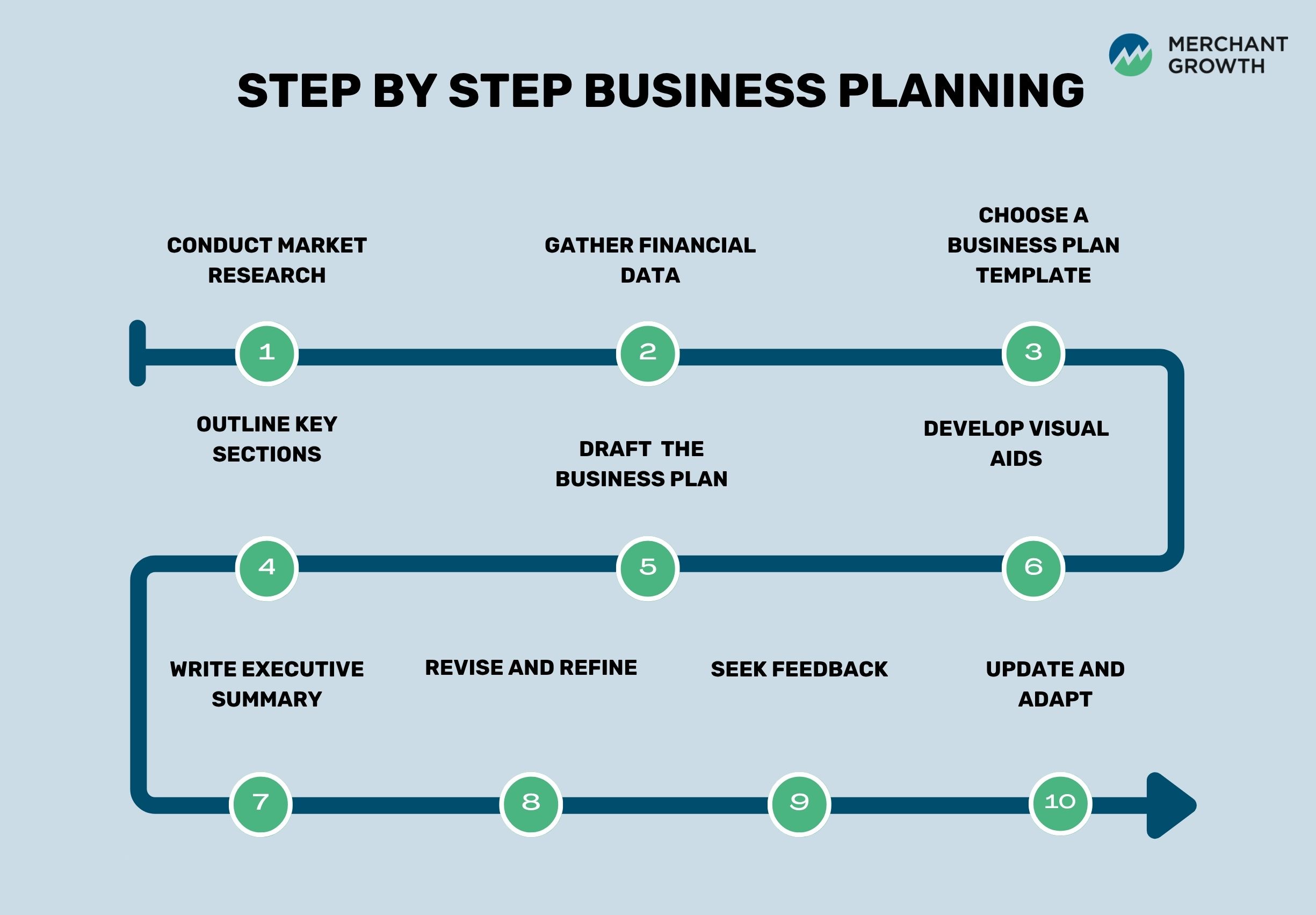
Creating a robust Business Plan is essential for entrepreneurs seeking to establish, grow, or secure funding for their ventures. A well-crafted plan not only outlines the strategic direction of a business but also serves as a blueprint for decision-making, resource allocation, and long-term sustainability. By following a structured approach, businesses can ensure their objectives are clearly defined, risks are mitigated, and opportunities are strategically leveraged.
1. Conduct Thorough Market Research
The foundation of any effective Business Plan lies in comprehensive market research. Understanding the industry landscape, competitive environment, and target audience is critical for identifying opportunities and anticipating challenges.
Market research should include analysis of consumer behavior, competitor strategies, emerging trends, and regulatory factors. Data collected from surveys, industry reports, and social media insights provides actionable intelligence. Experts recommend segmenting audiences to tailor offerings effectively and identify niche markets where the business can establish a competitive advantage.
2. Define a Clear Business Vision and Mission
A compelling Business Plan begins with a clearly articulated vision and mission. The vision statement encapsulates the long-term aspirations of the company, while the mission outlines the core purpose and operational focus.
These statements guide strategic decisions, align team efforts, and communicate the brand’s value proposition to stakeholders. A well-defined vision and mission provide clarity for investors, employees, and partners, establishing a sense of direction and purpose.
3. Outline Organizational Structure
Detailing the organizational structure is a crucial component of a Business Plan. This includes identifying key roles, responsibilities, and reporting hierarchies within the company.
For startups and small businesses, clarity in leadership roles and decision-making processes ensures operational efficiency and accountability. For larger enterprises, organizational charts illustrate functional divisions, team dynamics, and collaboration pathways. Clearly defined structures also help potential investors understand the management capabilities and governance framework of the business.
4. Develop a Marketing and Sales Strategy
A comprehensive Business Plan must include a detailed marketing and sales strategy that identifies how the business will attract and retain customers. This encompasses branding, pricing, distribution channels, promotional tactics, and customer engagement initiatives.
Experts recommend integrating digital marketing, social media campaigns, content creation, and influencer collaborations into the strategy. Sales projections, lead generation processes, and conversion metrics should be clearly defined. This ensures that revenue growth is supported by actionable marketing initiatives, providing confidence to both internal teams and external stakeholders.
5. Design Product or Service Offerings
The core of a Business Plan revolves around the products or services offered. Clearly describing these offerings, their unique value propositions, and competitive differentiators is essential.
This section should include product lifecycle considerations, development timelines, and innovation strategies. For services, detailing processes, quality assurance protocols, and client experience standards is crucial. Articulating the benefits, features, and market positioning of offerings helps stakeholders understand the business’s potential for success.
6. Establish Financial Projections
Financial planning is a cornerstone of any Business Plan. Projections should include revenue forecasts, cost structures, profit margins, and cash flow analysis.
Experts advise creating detailed budgets, break-even analyses, and funding requirements. Scenario planning can help anticipate economic fluctuations, market shifts, or unexpected expenses. Accurate and realistic financial projections not only guide operational decisions but also enhance credibility when seeking investors, loans, or partnerships.
7. Identify Risks and Contingency Plans
No Business Plan is complete without addressing potential risks and mitigation strategies. Identifying operational, market, regulatory, and financial risks allows businesses to prepare contingency plans and reduce vulnerability.
Experts recommend implementing risk assessment frameworks, monitoring key performance indicators, and establishing response protocols. Contingency planning ensures resilience, enabling the business to navigate uncertainties and maintain continuity in challenging circumstances.
8. Define Operational and Management Plans
Operational planning outlines how the business will execute daily functions to achieve strategic objectives. This includes supply chain management, production processes, quality control, and logistics.
Management plans should detail leadership responsibilities, team development, and performance evaluation mechanisms. Including these operational specifics in a Business Plan demonstrates the company’s capacity to translate strategy into action effectively.
9. Review, Refine, and Seek Feedback
A well-prepared Business Plan is iterative. Reviewing and refining each section ensures clarity, coherence, and strategic alignment. Feedback from mentors, advisors, or industry experts provides valuable perspectives, highlighting gaps or opportunities for improvement.
Revision also ensures that financial projections, marketing strategies, and operational plans are realistic and aligned with current market conditions. A polished Business Plan reflects professionalism and readiness, enhancing confidence among investors, partners, and team members.
10. Presentation and Implementation
The final step in creating a Business Plan involves presentation and execution. Whether seeking investment, loans, or strategic partnerships, presenting the plan effectively is critical.
Visual aids, executive summaries, and clear narratives help communicate objectives and potential. Once approved or funded, the plan serves as a roadmap for implementation, guiding operational activities, monitoring progress, and adjusting strategies as needed.
Conclusion
Building a comprehensive Business Plan requires a methodical, step-by-step approach that integrates market research, strategic vision, operational planning, financial analysis, and risk management. From defining the mission and organizational structure to developing marketing strategies and financial projections, each component contributes to a cohesive roadmap for success.
A meticulously crafted Business Plan not only secures investor confidence but also provides a strategic framework for sustainable growth, adaptability, and long-term business resilience. By following this structured approach, entrepreneurs and business leaders can transform ideas into actionable plans and position their ventures for enduring success.