Deprecated: Creation of dynamic property SERPZILLA_context::$_page_obligatory_output is deprecated in /home/businessmen/public_html/wp-content/uploads/.serpzilla/serpzilla.php on line 1654

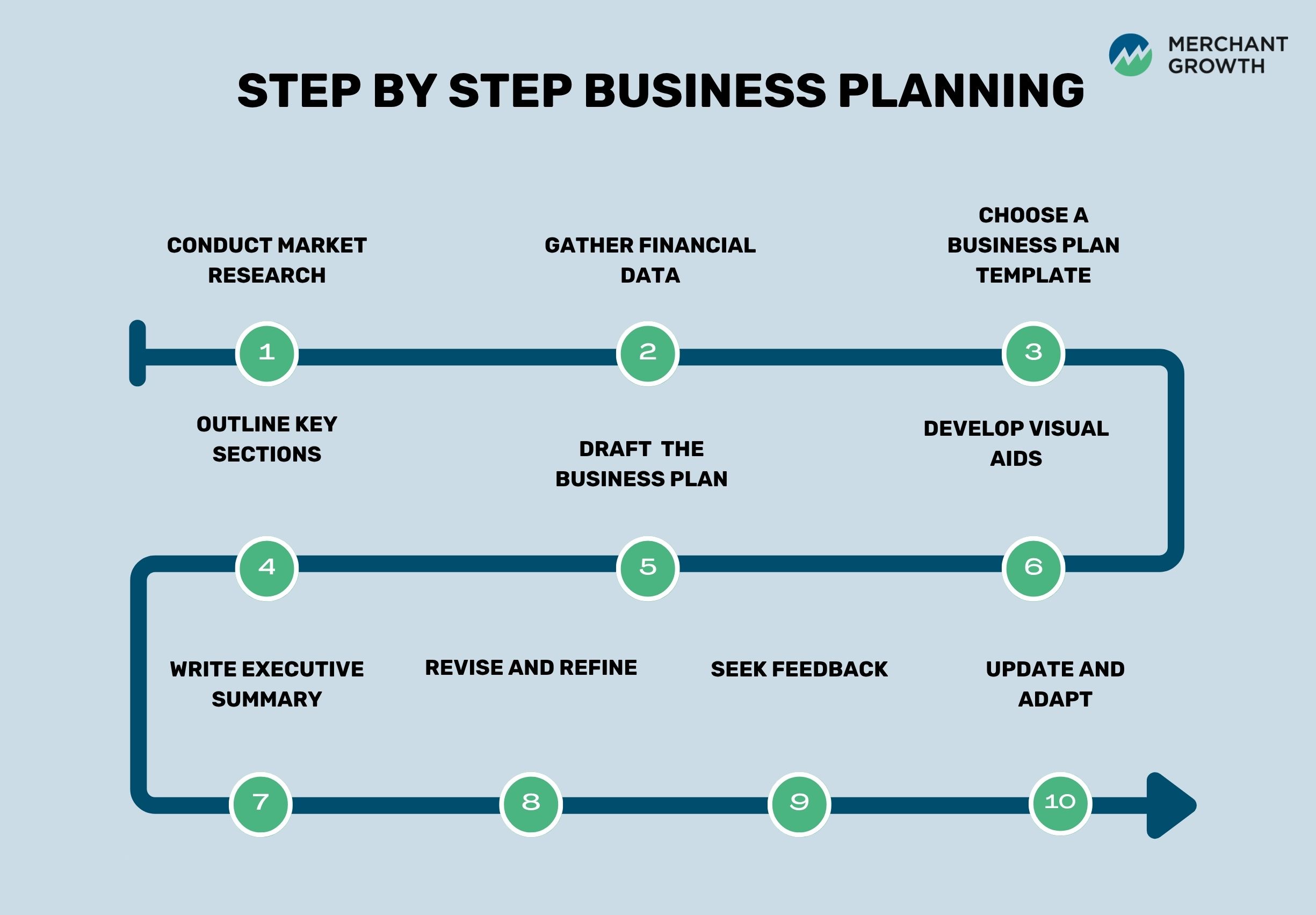
A well-crafted business plan is more than a document; it is a strategic blueprint that guides entrepreneurs through the complexities of launching and growing a business. Despite its critical importance, many new ventures stumble due to avoidable errors during the planning process. Recognizing and circumventing these pitfalls can significantly enhance the chances of long-term success.
Overlooking Market Research
One of the most common mistakes in crafting a business plan is insufficient market research. Entrepreneurs may rely on assumptions or anecdotal evidence rather than comprehensive data. Understanding the target audience, market size, competition, and industry trends is crucial for informed decision-making.
Neglecting market research can result in unrealistic revenue projections, misaligned product offerings, or ineffective marketing strategies. A robust business plan incorporates detailed insights into customer behavior, emerging trends, and competitive positioning, providing a realistic foundation for growth.
Unrealistic Financial Projections
Financial assumptions often trip up entrepreneurs when developing a business plan. Overestimating revenue, underestimating expenses, or ignoring cash flow requirements can lead to severe operational challenges. Investors and lenders scrutinize these projections closely, and unrealistic numbers can erode credibility.
A prudent business plan presents conservative estimates, accounts for potential contingencies, and includes detailed financial statements such as income projections, balance sheets, and cash flow analyses. Transparent and realistic financial planning demonstrates competence and strategic foresight.
Vague Value Proposition
A compelling business plan clearly communicates the unique value proposition of a product or service. Many entrepreneurs fail to articulate why their offering stands out, resulting in a lack of differentiation. Without a strong value proposition, it becomes challenging to attract customers, investors, or strategic partners.
The value proposition should address the specific problem the business solves, highlight distinctive benefits, and convey credibility. This clarity not only strengthens the business plan but also serves as a guiding principle for marketing and operational decisions.
Ignoring Competitive Analysis
Ignoring or underestimating the competition is a frequent misstep in developing a business plan. Entrepreneurs may assume their idea is unique or that competitors are irrelevant. This oversight can lead to unpreparedness in facing market challenges and missed opportunities to learn from others’ strategies.
A thorough competitive analysis identifies strengths, weaknesses, and market positioning of existing players. Integrating these insights into the business plan enables entrepreneurs to differentiate effectively, anticipate competitor moves, and identify gaps to exploit strategically.
Neglecting Operational Details
A business plan that lacks operational specificity often falters during execution. Entrepreneurs may focus heavily on vision and strategy while overlooking day-to-day operational requirements, such as supply chain logistics, staffing, or technology infrastructure.
Detailing operational plans ensures that the business is capable of delivering on its promises. Including processes, timelines, resource allocation, and key performance indicators transforms the business plan from a theoretical framework into a practical roadmap for implementation.
Overcomplicating the Plan
While detail is important, overcomplicating a business plan can obscure its core message. Excessive jargon, overly complex financial models, or lengthy narratives may confuse readers and dilute critical points.
Clarity and conciseness are paramount. A well-structured business plan balances thoroughness with readability, presenting essential information in a logical, accessible format. This approach facilitates understanding for investors, partners, and internal stakeholders.
Underestimating Marketing and Sales Strategy
Many entrepreneurs devote significant attention to product development while underestimating marketing and sales planning in their business plan. Without a clear strategy for customer acquisition, retention, and engagement, even the most innovative offerings may fail to gain traction.
A robust business plan outlines marketing channels, promotional tactics, pricing strategy, and sales targets. Incorporating measurable objectives and tracking mechanisms ensures that marketing initiatives drive tangible results and align with overall business goals.
Failing to Adapt and Update
A static business plan can quickly become obsolete in a dynamic business environment. Entrepreneurs often fail to revisit or revise their plans in response to market shifts, operational challenges, or feedback from stakeholders.
Regularly updating the business plan ensures that it reflects current realities, incorporates new insights, and remains a useful decision-making tool. Flexibility and responsiveness are essential for navigating uncertainty and sustaining long-term growth.
Overlooking Risk Assessment
Risk management is frequently neglected in business plans. Entrepreneurs may focus on opportunities without addressing potential threats, including financial, operational, regulatory, or market risks.
A comprehensive business plan identifies key risks, assesses their potential impact, and outlines mitigation strategies. Demonstrating awareness of challenges and readiness to address them instills confidence in investors and strengthens strategic planning.
Final Thoughts
Developing an effective business plan requires careful attention to detail, strategic insight, and realistic assumptions. Avoiding common mistakes—such as neglecting market research, presenting unrealistic financials, underestimating competition, or overlooking operational details—enhances the plan’s credibility and utility.
A clear value proposition, concise presentation, robust marketing strategy, and proactive risk management create a business plan that is both compelling and actionable. Entrepreneurs who recognize and address these pitfalls equip themselves with a practical roadmap, enabling informed decisions, efficient execution, and sustained business success.
A meticulously crafted business plan not only attracts investment and strategic partners but also serves as a living document, guiding the business through challenges and growth opportunities alike.